August 2026
By the PickMyStream Editorial Desk. Prices and availability as of August 2026.
Why you can't find anything to watch (with 40,000 titles)
You have five subscriptions and a couch and forty minutes before you fall asleep. You open one app, scroll a wall of thumbnails, open a second app, scroll again, and eventually put on the show you have already seen four times. This is not a personal failing. It is the predictable result of a system built to keep you browsing rather than watching.
The promise of streaming was abundance. What we got was abundance without a librarian. There are more than forty thousand titles a click away, and somehow the honest feeling most nights is that there is nothing to watch. That contradiction is the whole subject of this piece, and it has a name that psychologists have understood for decades.
This is PickMyStream's thesis. We think streaming fatigue is a design problem, not a taste problem, and that the fix is older and simpler than any recommendation engine.
The paradox of choice, streaming edition
Psychologist Barry Schwartz described the paradox of choice long before Netflix owned your evenings. The short version: past a certain point, more options do not make us happier or more decisive. They make us anxious, prone to regret, and likely to choose nothing at all. A menu with six dishes gets ordered from. A menu with two hundred gets closed.
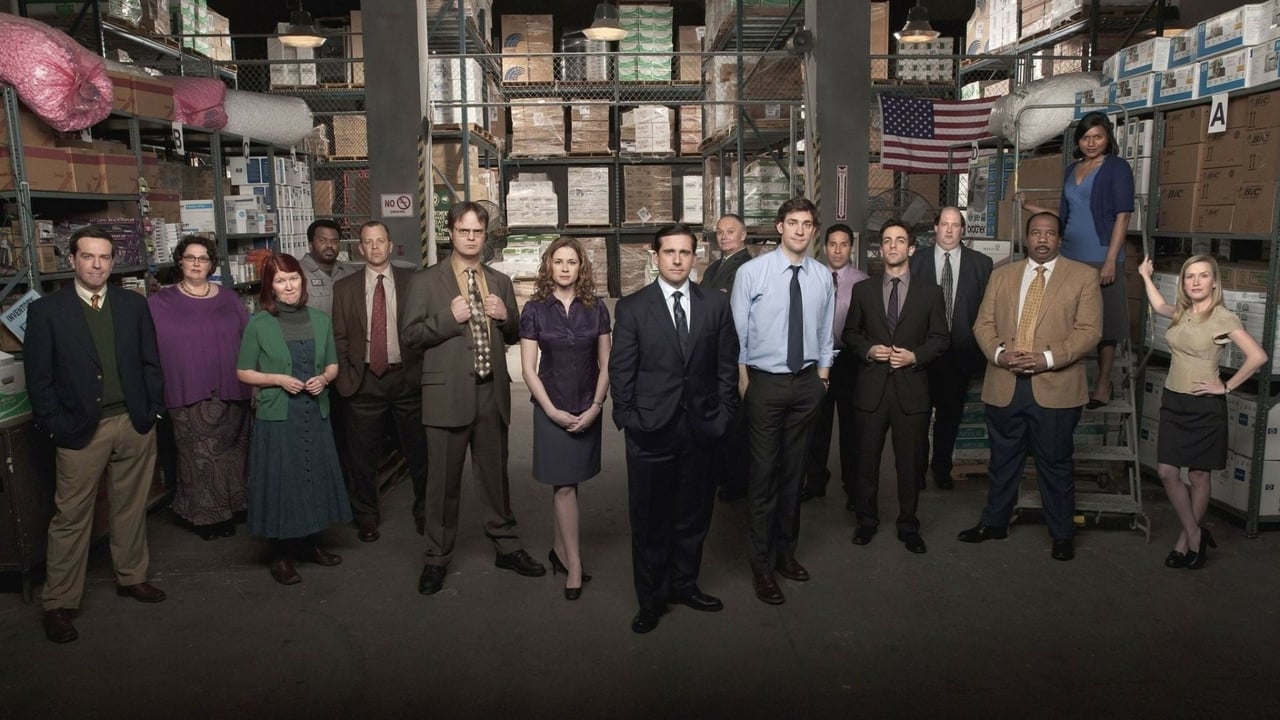
Streaming took that menu and multiplied it across a dozen apps, each with its own login, its own layout, and its own idea of what you should see first. The cognitive cost of choosing is now spread across surfaces that do not talk to each other. You are not lazy when you give up and rewatch The Office. You are rationally conserving energy against a decision the interface refuses to help you make.
The cruel part is that abundance feels like it should be the solution. Forty thousand titles ought to guarantee the perfect Tuesday night movie exists. It does exist. The problem is that finding it costs more effort than watching it, and your brain does that math instantly.
What the algorithm actually optimizes for
Here is the uncomfortable truth about the rows of recommendations you scroll past. They are not built to help you find the best thing to watch. They are built to keep you on the platform and to steer you toward content the platform wants to promote, often its own originals with the largest sunk costs.
An engagement algorithm has one real question: what will keep this person from canceling? That is a different question from what will this person love. The two overlap sometimes, which is why recommendations occasionally land. But when they diverge, the system serves its own retention, not your Saturday. The artwork on a thumbnail can even change based on which image is most likely to get a click, regardless of whether the movie behind it is any good.
Personalization also quietly narrows you. The more the engine learns you finished a true crime docuseries, the more it shows you the same lane, until your homepage becomes a hall of mirrors reflecting last month's mood back at you. Discovery, the actual joy of stumbling onto something you would never have picked, gets optimized out. You end up with a feed that knows your habits and nothing about your curiosity.
None of this is a conspiracy. It is just incentives. A machine tuned to minutes watched will always beat a machine tuned to your satisfaction, because minutes watched is what gets measured and rewarded.
Why editorial curation actually fixes it
The antidote to too many streaming choices is not a better algorithm. It is a point of view. A human critic who has actually seen the films can say this one, tonight, for you, and mean it. That single confident sentence does more work than a thousand auto-generated rows, because it removes the burden of evaluation instead of adding to it.
Good curation is opinionated on purpose. When we tell you a specific movie is the best ninety minutes on a streaming service this week, we are taking responsibility for that call. We are not hedging across fifty options to maximize the odds you click something. That accountability is the thing an engagement engine structurally cannot offer, because it has no taste and nothing to lose.
Curation also restores context. A title means more when you know why it matters, who made it, what it is in conversation with. A list of ten heist films chosen by someone who loves the genre beats an infinite scroll every time, not because it is bigger but because it is finite and considered. Constraints are a feature. The best recommendations feel like a friend handing you the remote and saying trust me.
This is why we exist. Not to show you everything. To show you the right something.
Practical ways to break the scroll tonight
Start by shrinking the field before you touch a remote. Decide the mood first, comfort, tension, awe, laughter, and let that eliminate ninety percent of the catalog. You are choosing a feeling, not a title, and feelings are a much shorter menu.
Set a two minute rule. If nothing grabs you in two minutes of browsing, you go to a trusted list or a critic you follow and pick their top suggestion without negotiating. The negotiation is what kills the evening. Outsource the decision on purpose and you get your night back.
Consolidate where you can, too. Part of the fatigue is app-switching, the tax of logging in and out and re-learning each interface. A setup that puts live channels and your streaming apps under one roof cuts the friction that makes choosing feel like work. Fewer front doors, fewer dead ends.
Common questions
Why do I feel like there's nothing to watch when I have every streaming service?
Because more options increase the effort and anxiety of choosing rather than reducing it. This is the paradox of choice. Past a few dozen titles, the cost of evaluating everything outweighs the payoff, so your brain defaults to a rewatch or gives up entirely. The catalog size is the problem, not the solution.
What causes streaming fatigue?
Streaming fatigue comes from decision overload combined with app-switching friction. You are asked to evaluate thousands of titles across several separate interfaces, none of which share your preferences, while algorithms steer you toward retention rather than satisfaction. The mental cost of all that adds up until watching anything feels like a chore.
Do streaming recommendation algorithms actually work?
They work at their real goal, which is keeping you subscribed and watching promoted content, not necessarily helping you find what you'll love most. When those goals align, recommendations feel good. When they diverge, the system serves its own retention. That's why a human recommendation from someone whose taste you trust often lands better.
How do I decide what to watch faster?
Pick a mood before a title, so you eliminate most of the catalog instantly. Give yourself a two minute browsing limit, then defer to a trusted list or critic and watch their top pick without second-guessing. Reducing app-switching by consolidating your services also cuts the friction that stalls the decision.
Keep reading
How to watch NFL in 2026: every game, every service
Your complete guide to NFL streaming in 2026. The rights map for CBS, NBC, ESPN, Prime Thursday nights, and Sunday Ticket, plus what each setup actually costs.
How to watch the 2026-27 NBA season without cable
Where the 2026-27 NBA season lives on ESPN, ABC, NBC, Peacock and Prime Video, what each route costs, and what NBA League Pass does and does not cover.
How to stream WWE SmackDown, NXT and Raw in 2026
WWE is spread across four homes in 2026. Here is where SmackDown, NXT, Raw and the premium live events live in the United States, and what each costs.