August 2026
By the PickMyStream Editorial Desk. Prices and availability as of August 2026.
What order to watch Star Wars: release, chronological, or machete
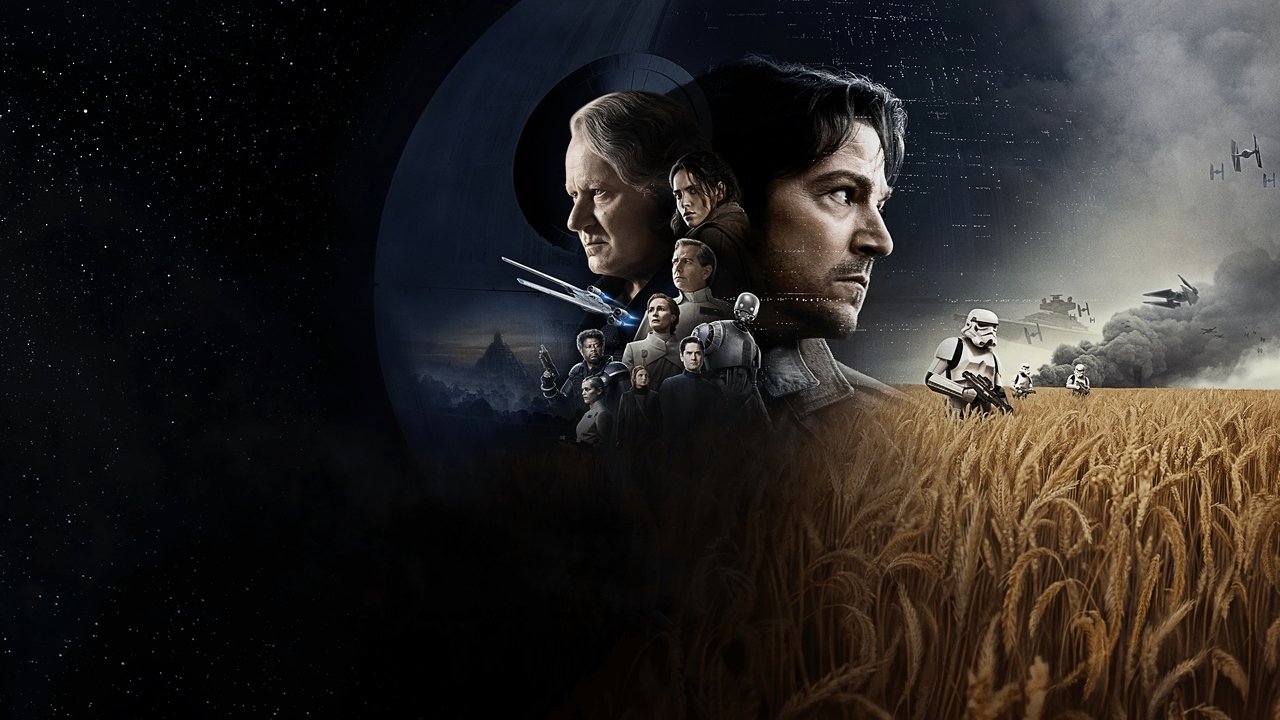
Ask ten Star Wars fans what order to watch Star Wars and you will get eleven answers, at least one of them delivered with the intensity of a man defending his firstborn. The truth is there is no single correct sequence. There is only the sequence that serves the story you want to tell yourself, and the person sitting on the couch next to you.
Three main approaches have earned their place in the argument: release order, chronological order, and the famous machete order. Each shapes the saga's biggest twists differently, and each rewards a different kind of viewer. Below is a clear recommendation for every type of person picking up the lightsaber for the first time or the fortieth.
The good news for planning purposes is that the entire Skywalker saga, plus the spin-offs and series, lives in one place. Everything streams on Disney+, which makes any of these orders a matter of building a watchlist rather than hunting across platforms.
Release order: the way the story was actually revealed
Release order is exactly what it sounds like. You watch the films in the order audiences first saw them, starting with 1977's A New Hope and moving forward: the original trilogy, then the prequels, then the sequels.
This is the order I recommend for most first-timers, and it is the order that protects the single greatest surprise in blockbuster history. If you watch chronologically, you already know Darth Vader's relationship to Luke long before the moment on Cloud City lands, and that moment is the emotional spine of the whole saga. Release order keeps the reveal intact and lets you experience the story the way the culture did.
There is also a craft argument. The original trilogy was made with practical effects and grubby, lived-in worlds. Watching it first sets the tone for what Star Wars fundamentally is before the prequels' digital sheen and political intrigue arrive. You understand the destination before you see the origins.
Release order in full: A New Hope, The Empire Strikes Back, Return of the Jedi, The Phantom Menace, Attack of the Clones, Revenge of the Sith, The Force Awakens, The Last Jedi, The Rise of Skywalker.
Chronological order: the timeline, start to finish
Chronological order follows the internal timeline of the galaxy. You begin with the prequels, watch young Anakin Skywalker grow and fall, then follow the original trilogy and the sequels as history marches forward.
This is the star wars chronological approach, and it has a real appeal for rewatchers and completists. Once you already know every twist, there is a satisfying cause-and-effect logic to watching the Republic decay, the Empire rise, and the galaxy claw its way back. Anakin's arc becomes one continuous tragedy instead of a prequel to a story you saw first.
The obvious cost is spoilers. Starting with The Phantom Menace hands you the ending of a mystery the original films spent years building. For a brand-new viewer, that is a genuine loss. Save chronological order for your second trip through, when the surprises are behind you and you want to feel the full weight of the timeline.
If you want to fold in the standalone films, Rogue One slots in immediately before A New Hope, and Solo lands earlier, roughly a decade before that.
The machete order: the cult favorite
The machete order is the fan-devised sequence that tries to have it both ways. The classic version drops The Phantom Menace entirely and runs: A New Hope, The Empire Strikes Back, then the prequels Attack of the Clones and Revenge of the Sith as a flashback, then Return of the Jedi.
The logic is genuinely clever. You preserve the Vader reveal by watching the original films first, then flash back to Anakin's fall right before Return of the Jedi resolves both the father and the son. When Luke chooses to redeem his father, you have just watched exactly how that father was lost. The emotional payoff hits from two directions at once.
Dropping The Phantom Menace is the controversial part. Purists bristle, and the film does contain seeds that pay off later. Many fans now run a modified machete that keeps Phantom Menace in. Either way, this order is best for viewers who love structure and want a curated, cinematic experience rather than a straight timeline.
The machete order does not account for the sequel trilogy, so tack The Force Awakens, The Last Jedi, and The Rise of Skywalker onto the end if you want the complete Skywalker story.
A pick for every viewer, and where it all streams
First-timers should choose release order. It protects the twists, sets the right tonal foundation, and matches how the story unfolded for everyone who came before you. It is the safest and most rewarding entry point.
Rewatchers and lore lovers should try chronological order at least once. Knowing the ending frees you to appreciate the architecture, and the fall-and-redemption of the Skywalker line plays as a single unbroken epic.
Film-structure enthusiasts and anyone introducing a partner or older kid to the saga should consider the machete order. It is the most deliberately constructed experience of the three, engineered around the story's biggest emotional beat.
Wherever you land, everything streams on Disney+, including the live-action series like The Mandalorian and Andor that expand the corners of the timeline. If Disney+ already lives inside a larger TV plan you carry, the whole saga becomes a weekend project with nothing extra to sign up for.
Common questions
What is the best order to watch Star Wars for the first time?
Release order is the best choice for first-time viewers. Start with A New Hope and watch the films in the order they premiered. This keeps the major twists intact, especially the Darth Vader reveal, which chronological order spoils before you reach it.
Should I watch Star Wars in chronological order?
Chronological order is excellent for a rewatch but risky for a first viewing. It starts with the prequels, which gives away key surprises from the original trilogy. Once you already know the story, watching the timeline start to finish makes Anakin's fall land as one continuous tragedy.
What is the machete order and is it worth it?
The machete order is a fan sequence that watches the original films first, then the prequels as a flashback, then Return of the Jedi. It preserves the Vader reveal while building emotional payoff for Luke's choice to save his father. It is worth trying if you enjoy carefully structured storytelling.
Where can I stream all the Star Wars movies?
The entire Skywalker saga plus the spin-offs Rogue One and Solo and series like The Mandalorian and Andor all stream on Disney+. Having everything in one place means any watch order is simply a matter of building your watchlist.
Where do Rogue One and Solo fit in the Star Wars timeline?
Rogue One takes place immediately before A New Hope and leads directly into its opening. Solo is set earlier, roughly a decade before A New Hope. In a chronological watch, Solo comes first, then Rogue One right before the original film.
Keep reading
What is streaming TV and how does it work?
Streaming TV explained: what it is, how it works, the two kinds, what equipment you need, how much internet speed it takes, and the honest downsides.
Best streaming services in 2026, compared
A grown-up framework for choosing streaming services: match subscriptions to how you actually watch, rotate seasonally, or bundle. Not another listicle.
What to watch tonight: a decision framework
Stop losing 12 minutes to the menu. A practical guide to what to watch tonight, sorted by mood, time, and who is actually on the couch with you.